 HLVITALS
 HLVITALS
Understanding Pectin and Gelatin Gummies
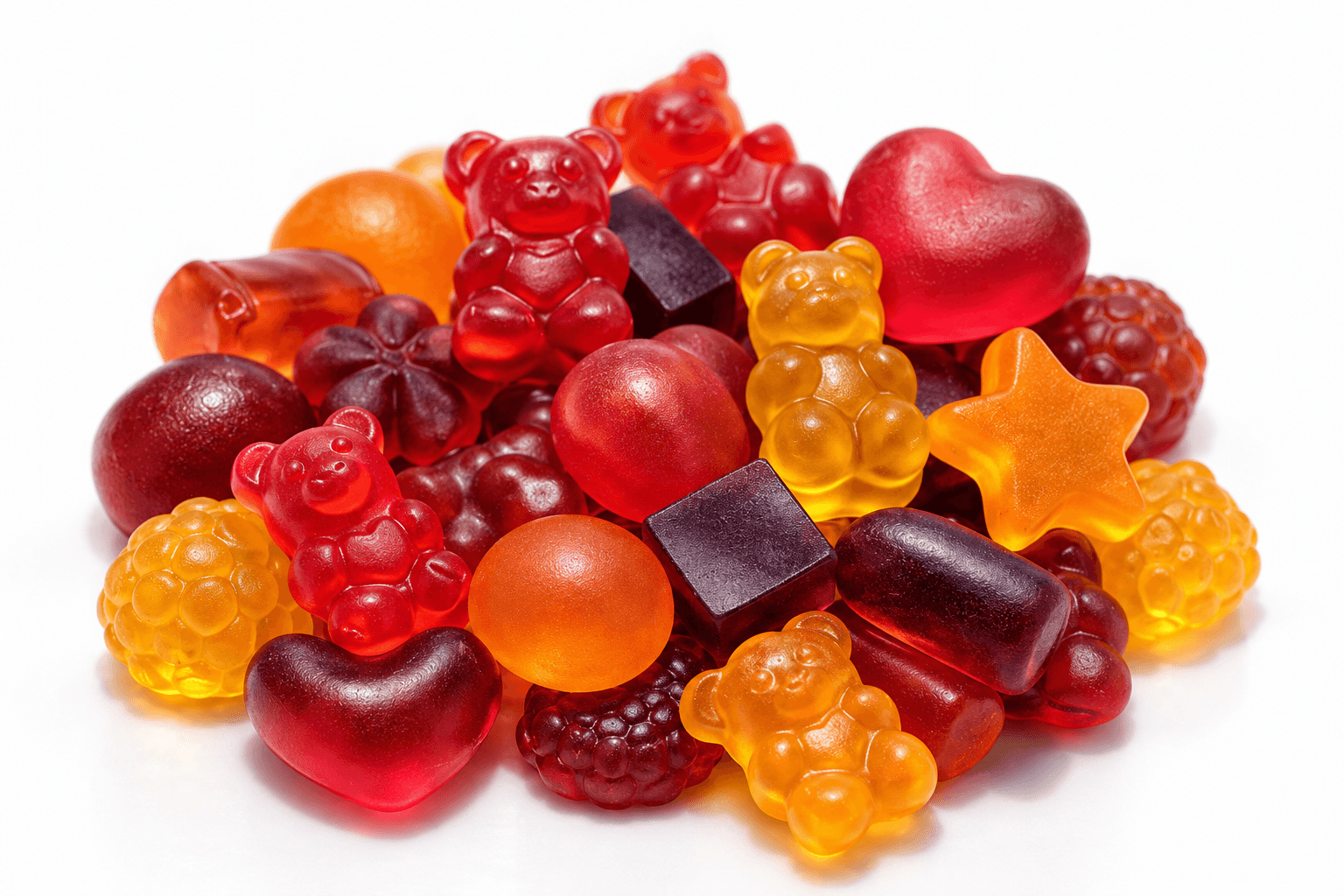
Gummies have become one of the most popular supplement formats due to their great taste, convenience and broad consumer appeal. The gummy base—pectin or gelatin—influences texture, stability, shelf life, ingredient compatibility and labeling claims.
This article compares pectin and gelatin gummies in a practical, manufacturing-focused way to help you choose the right fit for your brand.
Key Differences at a Glance
The table below compares pectin and gelatin gummies across the factors most relevant to supplement brands.
| Factor | Pectin Gummies | Gelatin Gummies |
|---|---|---|
| Source | Plant-based, typically from citrus peel or apple pectin | Animal-derived, usually bovine or porcine |
| Vegan-friendly | Suitable as a gelling foundation | Not suitable for vegan products |
| Typical texture | Firmer bite with a clean break | Softer, elastic and springy chew |
| Heat resistance | Often better resistance to warm conditions | More sensitive to heat-related softening |
| Ideal pH range | Works well in acidic formulas | Flexible across neutral to mildly acidic formulas |
| Ingredient compatibility | May require adjustments for minerals and high active loads | Broad compatibility with oils, minerals and botanicals |
| Common claims | Vegan, vegetarian, plant-based | Traditional, widely accepted |
| Typical cost | Generally higher | Generally lower |
How Your Formula Changes the Choice
Your target market, key ingredients and desired product experience all influence whether pectin or gelatin is the better fit. Below are the main considerations.
Choose pectin for vegan, vegetarian or plant-based products. Choose gelatin for traditional formulas without vegan requirements.
Some minerals and high-dose actives may be more stable in gelatin, while pectin works well for many vitamins and botanical ingredients with proper formulation.
Pectin offers a firmer, chewier bite. Gelatin provides a softer, more elastic texture with a smooth mouthfeel.

Manufacturing Considerations
Pectin and gelatin require different processing conditions. Pectin typically needs precise sugar control, acid timing and cooling. Gelatin melts and sets at different temperatures and is sensitive to high heat. The manufacturing process should be optimized around your ingredients, target texture and shelf-life requirements.

Brand and Market Positioning
Pectin gummies can help you target vegan, vegetarian and clean-label segments, while gelatin gummies remain a strong choice for mainstream markets. Consider your target consumers, regional preferences and label claims when making your decision.
Cost Comparison
Pectin is typically more expensive than gelatin and may require additional formulation optimization. The right choice should balance cost with your brand positioning, target market and desired product experience.
Frequently Asked Questions
No. Pectin is plant-derived, but the finished gummy may still include non-vegan active ingredients, carriers, colors, coatings or processing aids. Review the complete formula and documentation before making a vegan claim.
About the Author
HLVITALS Editorial TeamOur product development, manufacturing and regulatory specialists share practical insights to help supplement brands build successful products.